





Drained and back ventilated rainscreen systems
Drained and Back Ventilated Rainscreen (DBVR) systems are open drainage cladding systems suitable for MCM panels and tested in the US AAMA 509 standards, in the UK fire class tests will likely be according to Euroclass A1 or A2, A or B as the lower rating.
The Centre for Window and Cladding Technology (CWCT) defines a rainscreen cladding system as '...a wall comprising an outer skin of panels and an airtight insulated backing wall separated by a ventilated cavity. Some water may penetrate into the cavity but the rainscreen is intended to provide protection from direct rain'.
The Metal Constuction Association, Technical Bulletin MCM Panel System Definitions, dated March 2018 describes the design and functions of MCM Drained and Back Ventilated Raincreen (DBVR) systems as thus:
"A drained and back ventilated (DBVR) system allows water to enter the interior air space through the cladding system joinery. The minimal amount of water that does enter the interior air space, is quickly drained to the exterior while the interior panel cavity is designed to quickly dry through ventilation. A solid backing such as gypsum board must be correctly installed to withstand any temporary increase in pressure. A properly designed drained and back ventilated system will minimize the amount of water passing through the exterior cladding joinery, while the air/water barrier provides a “final” layer to inhibit water infiltration. All of these components must be properly designed and installed to control any water that enters the air cavity and contacts the air/water barrier. Since the system allows air pressure to pass though the joints, the air/water barrier and gypsum board backing most likely will experience a load increase due to the wind load impacting the building and should be designed to accommodate these loads, as defined for air-permeable cladding in the ASCE 7 “Standard for Minimum Loads for Buildings and Other Structures”."
[edit] Related articles on Designing Buildings
- Building fabric.
- Cladding.
- Composites.
- Copper.
- Crinkly tin.
- Curtain wall systems.
- Dry Seals for metal composite material systems.
- Glazing.
- Metal.
- Metal composite material panel systems MCM and MCP.
- Metal profile cladding.
- Metal roofing.
- Modernising composite materials regulations.
- Pressure equalized rainscreen systems.
- Rainscreen.
- Sandwich panel.
- Shingle roofing.
- Wall types.
- Weatherboarding.
- Wet Seals for metal composite material systems.
- Zinc
Featured articles
Check out some of the best features and news from Designing Buildings as well as key stories from around the web.
Undervaluing our industrial past

Heritage value changes as taste for building styles changes.
Changing expectations around competence and compliance

New information sheet from CIAT.
Grenfell investigation files passed to CPS

Angela Rayner apologises on behalf of the British state.

Electrical contractors need to understand the practical implications.

The real barrier to getting more value from digital technology.

Your guide to The Construction Reset at UKCW Birmingham.

Accommodating the Victorian and Edwardian working woman. Book review.
Rethinking passive fire protection in design

PFP demands the same level of design rigour as structure or services.

38% of Gen Zs feel safe when a fire door is wedged open.
Stunning images from around the world
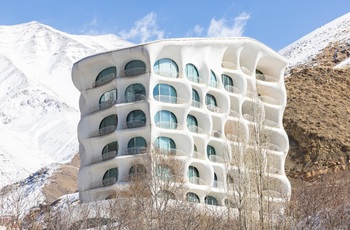
Shortlist for CIOB’s Art of Building photography competition.
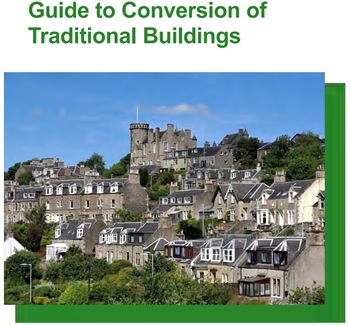
Guidance for conversion of traditional pre-1919 stone buildings.
Industrial heritage in the Ruhr
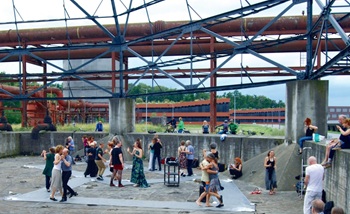
A marked difference to the fate of industrial landscapes in the UK.